

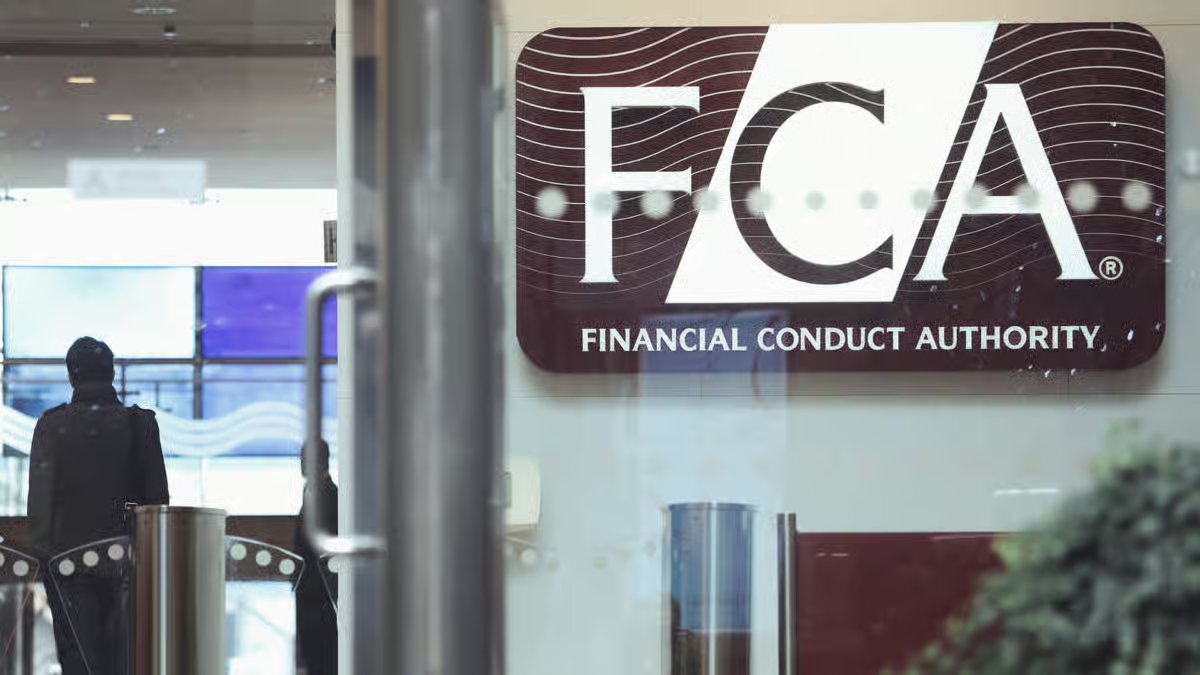
The UK’s Financial Conduct Authority (FCA) has issued a stern warning to football clubs, including those in the highly lucrative Premier League, concerning sponsorship agreements with cryptocurrency firms that lack proper authorization to operate within the United Kingdom. The regulator highlighted that these deals could expose football fans to significant financial risks.
Key Takeaways
- The FCA has cautioned UK football clubs, including Premier League teams, about potential risks associated with sponsorship agreements with unauthorized cryptocurrency firms.
- The regulator emphasized the importance for clubs to scrutinize the origin of sponsorship funds and to assess associated financial crime and reputational risks.
- Unauthorized crypto platforms have reportedly targeted football fans through these sponsorship arrangements, leveraging the trust fans place in their clubs.
- Funds received from such unauthorized entities could be considered criminal property under the UK’s Proceeds of Crime Act.
- The FCA is collaborating with government bodies and sports organizations, such as the Premier League and the Independent Football Regulator, to address these concerns across the sport.
In a recent press release, the FCA stated that several unauthorized crypto and trading platforms have actively targeted football supporters by securing sponsorship deals with sports clubs. Lucy Castledine, director of consumer investments at the FCA, expressed concern that clubs might inadvertently allow these potentially “dodgy products” to reach a broad audience of fans who trust their club’s affiliation.
The FCA’s communication, a letter addressed to football clubs, specifically urged them to verify the source of sponsorship funds. Furthermore, clubs are advised to conduct thorough assessments to determine if these arrangements could expose them to risks of financial crime or reputational damage. Fiona Mackinnon-Miller, head of the FCA department responsible for scams and consumer investments, stressed these points.
While the FCA did not identify specific clubs or sponsorship deals, the regulator indicated that funds obtained from unauthorized firms could potentially be classified as criminal property under the UK’s Proceeds of Crime Act. The FCA has stated its willingness to take action where necessary and has already communicated directly with clubs where concerns have been identified. The agency is also coordinating with governmental partners, the Premier League, and the Independent Football Regulator to implement a comprehensive strategy across the sport.
Recent years have seen a notable increase in sponsorship deals between major UK football clubs and global cryptocurrency entities. For instance, Manchester City has a shirt-sleeve sponsorship with OKX, and Chelsea is sponsored by BingX. These partnerships underscore the growing intersection of sports and the cryptocurrency industry, which is now under increased regulatory scrutiny.
Potential Regulatory Precedent
This intervention by the FCA sets a significant precedent for the regulation of sports sponsorships involving the cryptocurrency sector, particularly concerning firms operating outside established regulatory frameworks. The FCA’s proactive stance suggests a trend towards greater oversight of how financial services, especially nascent ones like crypto, engage with mainstream industries and consumer bases. The warning about potential proceeds of crime implications could lead to more stringent due diligence requirements for sports organizations when vetting potential sponsors. This could influence how other financial regulators globally approach similar cross-industry partnerships, potentially aligning with frameworks like the European Union’s Markets in Financial Instruments Regulation (MiCA), which aims to create a harmonized approach to crypto-asset regulation across member states. The FCA’s actions signal a clear intent to protect consumers from unregistered or high-risk financial products, even when promoted through seemingly reputable channels like sports sponsorships. This could encourage greater compliance from crypto firms seeking mainstream visibility and push them towards obtaining the necessary licenses to operate legally, thereby reducing the risk for both consumers and the sponsoring entities.
According to the portal: www.theblock.co