

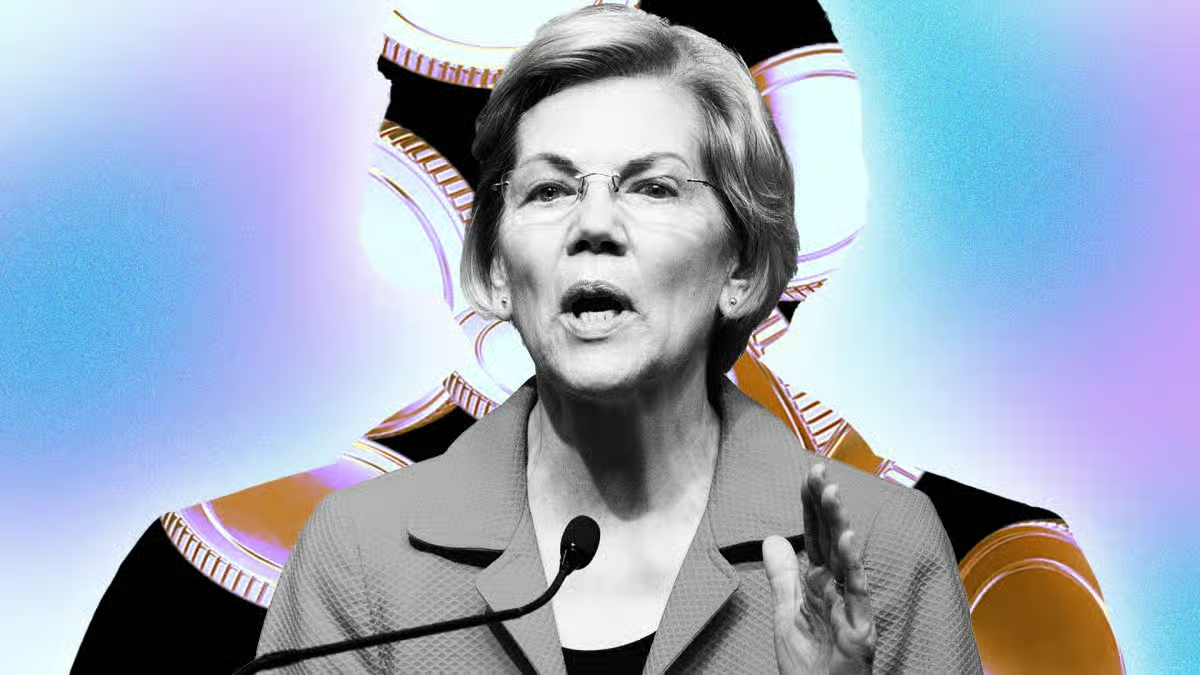
Senior United States senators have urged the Department of Labor (DOL) to withdraw a proposed regulation that would permit the inclusion of alternative assets, including digital assets, within 401(k) retirement plans. The senators argue that the rule, if enacted, would introduce undue risk to retirement savers and diminish existing investor protections.
Key Takeaways
- A proposed DOL rule aims to establish a “safe harbor” for fiduciaries considering alternative investments in retirement plans, such as private equity, real estate, and digital assets.
- Senators Bernie Sanders, Elizabeth Warren, and Representative Robert Scott have voiced strong opposition, citing concerns over increased risk, volatility, and the potential for scams associated with digital assets.
- The lawmakers also raised questions about potential conflicts of interest, suggesting the rule could benefit those in power at the expense of ordinary workers and retirees.
- The proposed regulation follows an executive order from the previous administration directing the DOL to facilitate the inclusion of alternative assets in retirement plans.
The legislative pushback, detailed in a letter to Acting Secretary of Labor Keith Sonderling, asserts that the proposed rule would effectively remove long-standing protections for retirement savers, thereby encouraging the adoption of more complex, volatile, and costly investment options. This criticism comes on the heels of the DOL’s March unveiling of the proposed rule, which outlined a framework for 401(k) plan managers to evaluate and incorporate alternative assets into their investment offerings.
The senators’ objections extend to various categories of alternative assets, with a particular focus on the inherent volatility and risk associated with digital assets. They referenced the significant price fluctuations of cryptocurrencies, noting specific examples of substantial gains followed by sharp declines. Furthermore, concerns were raised regarding the prevalence of cryptocurrency-related fraud, citing reports from law enforcement agencies that highlight substantial financial losses attributed to scams in the digital asset space.
The lawmakers also pointed to potential conflicts of interest surrounding the proposed regulation, particularly in relation to the Trump family’s involvement in digital assets. Reports suggesting significant “paper wealth” accumulation following the launch of a particular token were highlighted as evidence of how such regulations could potentially serve private financial interests over public welfare. The senators questioned the public’s trust in regulations proposed by an administration that might stand to profit directly from their implementation.
Potential Regulatory Precedent
The ongoing debate surrounding the proposed DOL rule carries significant implications for the future regulatory landscape of retirement investing, particularly concerning digital assets. Should this rule be enacted despite the current objections, it could set a precedent for other regulatory bodies to consider similar frameworks for incorporating alternative investments into various retirement savings vehicles. Conversely, if the senators’ concerns lead to the rule’s withdrawal or substantial revision, it would reinforce a more cautious approach to digital asset inclusion in mainstream financial products, potentially aligning with stricter global regulatory trends seen in regions like Europe with frameworks such as MiCA (Markets in Crypto-Assets). The legal stakes are high, as any movement towards greater accessibility for digital assets in 401(k)s necessitates robust compliance measures and clear guidelines to mitigate risks for millions of retirement savers.
According to the portal: www.theblock.co