
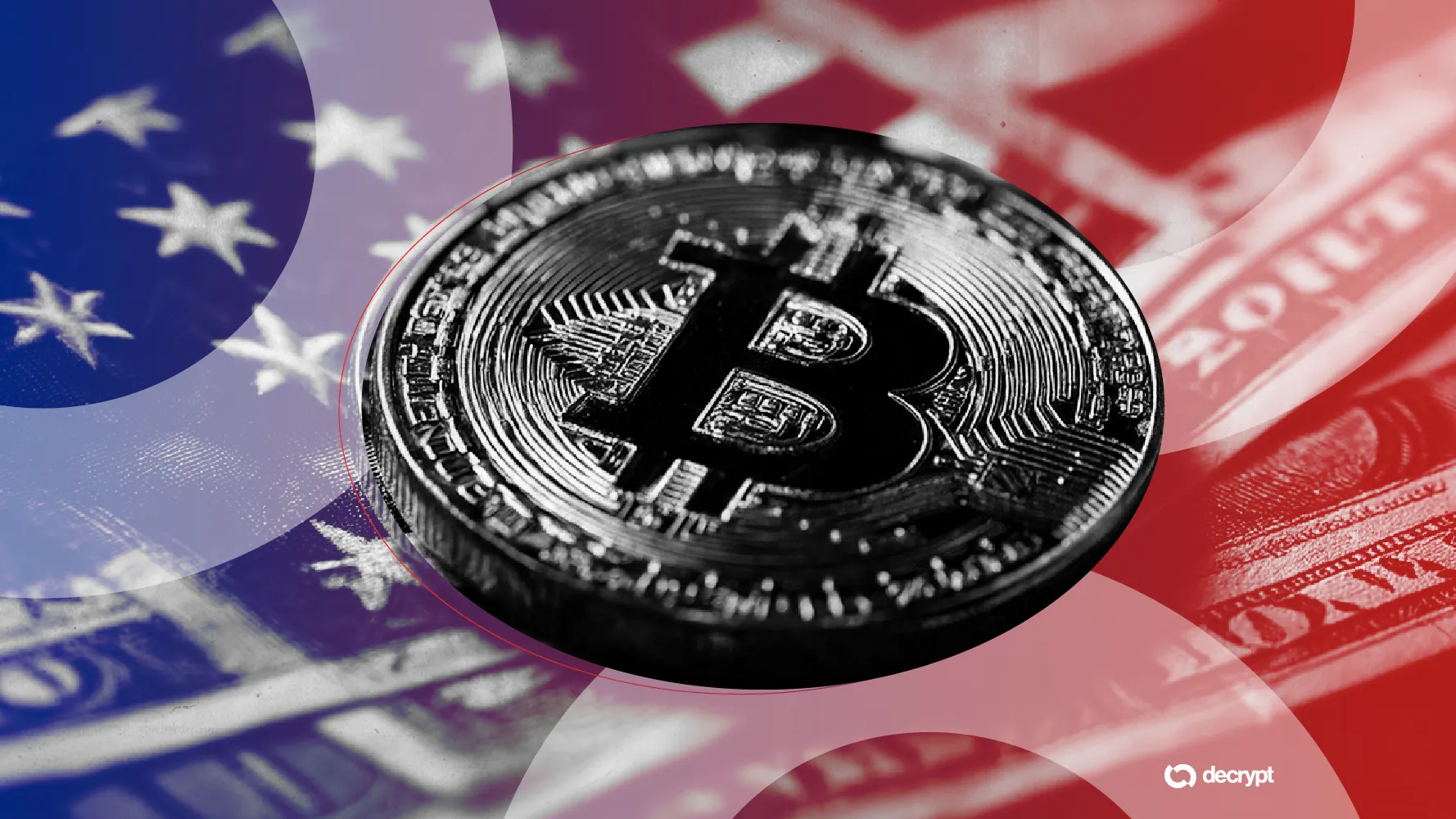
The foundational text of American governance, the U.S. Constitution, has been permanently etched onto the Bitcoin blockchain. An anonymous user facilitated this historic inscription by paying approximately $83.41 in transaction fees, embedding the 44.4 kilobyte document into a Bitcoin block. This event underscores a growing trend of leveraging blockchain technology for data permanence and has sparked discussions about the evolving capabilities and use cases of the Bitcoin network beyond simple financial transactions.
Key Takeaways
- The complete text of the U.S. Constitution has been recorded on the Bitcoin blockchain.
- This inscription was enabled by the OP_RETURN field and the recent removal of its byte limit.
- The transaction cost around $83.41, significantly higher than typical Bitcoin transfers due to the data size.
- The act highlights the potential for blockchains to serve as immutable archives for important data.
- The user responsible for the inscription remains anonymous.
The process was made possible by Bitcoin’s OP_RETURN output field, a feature designed to attach arbitrary data to transactions. While this field previously had a strict byte limit, a protocol change implemented last year removed this restriction. This modification, which was a subject of considerable debate among Bitcoin developers, has opened new avenues for data storage on the blockchain, albeit with concerns raised by some about a potential shift away from the network’s original financial transaction focus.
The significant transaction size, compared to typical Bitcoin transfers which are often under 1 kilobyte, resulted in a substantially higher fee. For context, a standard transaction sending a small amount of Bitcoin might cost under $20, while this historical inscription cost over four times that amount, demonstrating the premium users are willing to pay for permanent on-chain data storage. This event echoes the “inscription craze” of 2023, which saw Bitcoin’s mempool reach unprecedented levels as users experimented with placing various forms of data, including digital art (akin to NFTs via Bitcoin Ordinals), text, and even simple programs, onto the blockchain.
Nothing says freedom like paying 83 bucks to etch the constitution into a blockchain forever
— Macro Bombastic (@MacroBombastic) May 29, 2026
The inscription of the Constitution is not an isolated incident in the realm of blockchain permanence. Previously, the network has been used to permanently record items such as a fabricated social media post from former SEC Commissioner Gary Gensler appearing to approve Bitcoin ETFs. These events, alongside the broader adoption of Bitcoin Ordinals, underscore a burgeoning ecosystem that seeks to utilize the Bitcoin network for a wider array of applications, pushing the boundaries of what was once considered solely a peer-to-peer electronic cash system.
The motivation behind this specific inscription remains unknown, as no individual or group has publicly claimed responsibility. However, the act carries symbolic weight, referencing the cryptocurrency community’s past engagement with the U.S. Constitution. Notably, in 2021, ConstitutionDAO emerged, raising over $45 million in an attempt to purchase a rare copy of the document at auction, though ultimately losing to a private collector.
Long-Term Technological Impact
The permanent inscription of significant cultural and historical documents like the U.S. Constitution onto the Bitcoin blockchain represents a powerful demonstration of blockchain’s potential as a decentralized, censorship-resistant archive. This capability has profound implications for data integrity and long-term preservation in the digital age. For the broader blockchain ecosystem, this event validates the utility of protocol upgrades that enable greater data flexibility, such as the removal of the OP_RETURN byte limit. It signals a move towards integrating Layer 2 solutions and exploring innovative Web3 applications that go beyond financial speculation, potentially fostering greater trust and accessibility to foundational digital records. The integration of AI in verifying and managing such decentralized archives could further enhance their reliability and utility, paving the way for new forms of digital governance and historical record-keeping built on robust, immutable infrastructure.
Learn more at : decrypt.co