

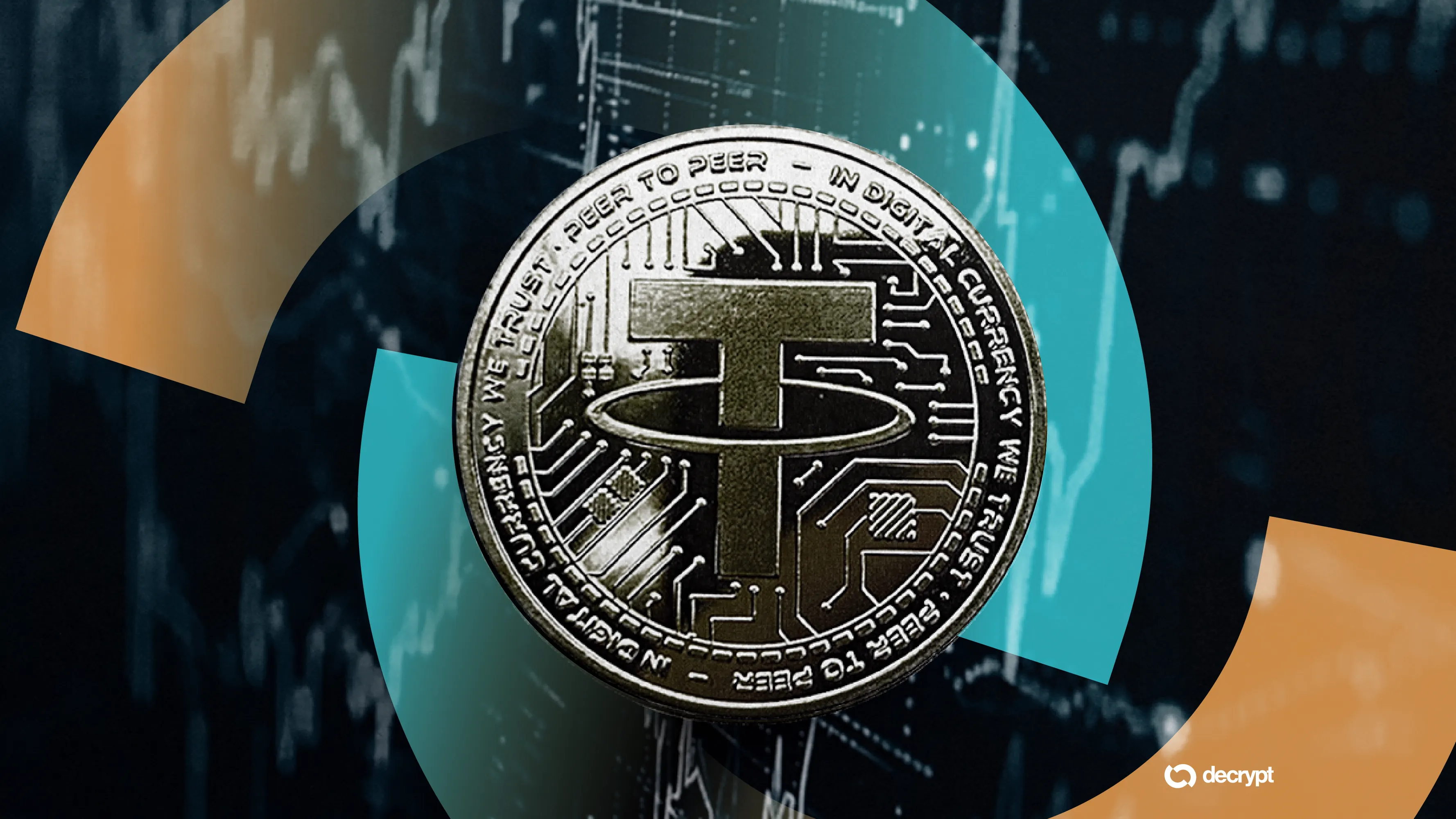
Tether has officially launched Tether.Wallet, a new self-custodial digital asset management solution designed to streamline cryptocurrency transactions for its vast user base. The wallet aims to bridge the gap between existing stablecoin users and the broader digital asset ecosystem, supporting not only Tether’s flagship USDT stablecoin and USAT but also Bitcoin and its gold-backed token, XAUT. This initiative represents a significant step for Tether in building direct end-user infrastructure within the rapidly evolving Web3 landscape.
Key Takeaways
- Tether has released Tether.Wallet, a self-custodial wallet targeting its extensive stablecoin user base.
- The wallet supports multiple assets including USDT, USAT, Bitcoin, and XAUT across various blockchain networks like Ethereum and Polygon.
- A key feature is the use of human-readable identifiers, simplifying transactions compared to traditional wallet addresses.
- Transaction fees can be paid directly in the asset being transferred, removing the need for separate gas tokens.
- The wallet is built upon Tether’s open-source Wallet Development Kit (WDK), promoting flexibility and innovation.
Tether.Wallet supports USDT and XAUT across Ethereum, Polygon, Plasma, and Arbitrum networks. The USAT stablecoin is available on Ethereum, while Bitcoin can be managed on both the mainnet and via the Lightning Network. A standout feature is the ability for users to send digital assets using simplified, email-like identifiers instead of complex alphanumeric wallet addresses. This approach significantly lowers the barrier to entry for mainstream users. Furthermore, the wallet allows transaction fees to be paid directly in the asset being transferred, a move that eliminates the need for users to acquire and hold separate network-specific tokens for gas fees.
The platform is underpinned by Tether’s own open-source Wallet Development Kit (WDK), a strategic choice that allows for future integration and customization. Tether CEO Paolo Ardoino highlighted the wallet’s mission to enhance accessibility for Tether’s over 570 million users, stating the goal is to “remove the complexity that has prevented broader adoption while preserving the properties that make the digital assets technology valuable.” Ardoino envisions a future where transacting digital value is as effortless as sending a message, free from intermediaries and with full user control over assets.
Dubbed “The People’s Wallet,” it is explicitly designed for a mainstream audience, moving beyond the technical complexities often associated with crypto-native wallets. Tether anticipates rapid adoption, projecting millions of new wallets added quarterly. This launch positions Tether as a potential competitor to established wallet providers like MetaMask and Phantom, leveraging its dominant position as the world’s largest stablecoin issuer to drive user acquisition.
Tether is a dominant force in the stablecoin market, with USDT boasting a market capitalization close to $185 billion. The company also offers Tether Gold (XAUT), a token backed by physical gold, and recently launched USAT, a stablecoin tailored for the U.S. market.
Long-Term Technological Impact
Tether’s strategic move into end-user wallet infrastructure, particularly with features like human-readable addresses and native fee payment, could significantly accelerate the adoption of blockchain technology for everyday use cases. By abstracting away much of the technical complexity typically associated with crypto transactions, Tether is positioning itself to capture a massive segment of users who have been hesitant to engage with Web3 due to usability challenges. This could foster greater innovation in Layer 2 scaling solutions, as wallets like Tether.Wallet will likely benefit from and encourage the adoption of more efficient and cost-effective transaction layers. Furthermore, the integration of AI agents for seamless transactions, as alluded to by Tether’s CEO, points towards a future where blockchain interoperability and smart contract execution become more intuitive and automated. This focus on user experience and accessibility, combined with robust underlying technology, has the potential to redefine how individuals and future autonomous systems interact with digital assets, driving broader integration of blockchain into the global financial and technological fabric.
Based on materials from : decrypt.co