
Blockstream CEO Proposes Optional Quantum Resistance for Bitcoin, Sparking Developer Debate
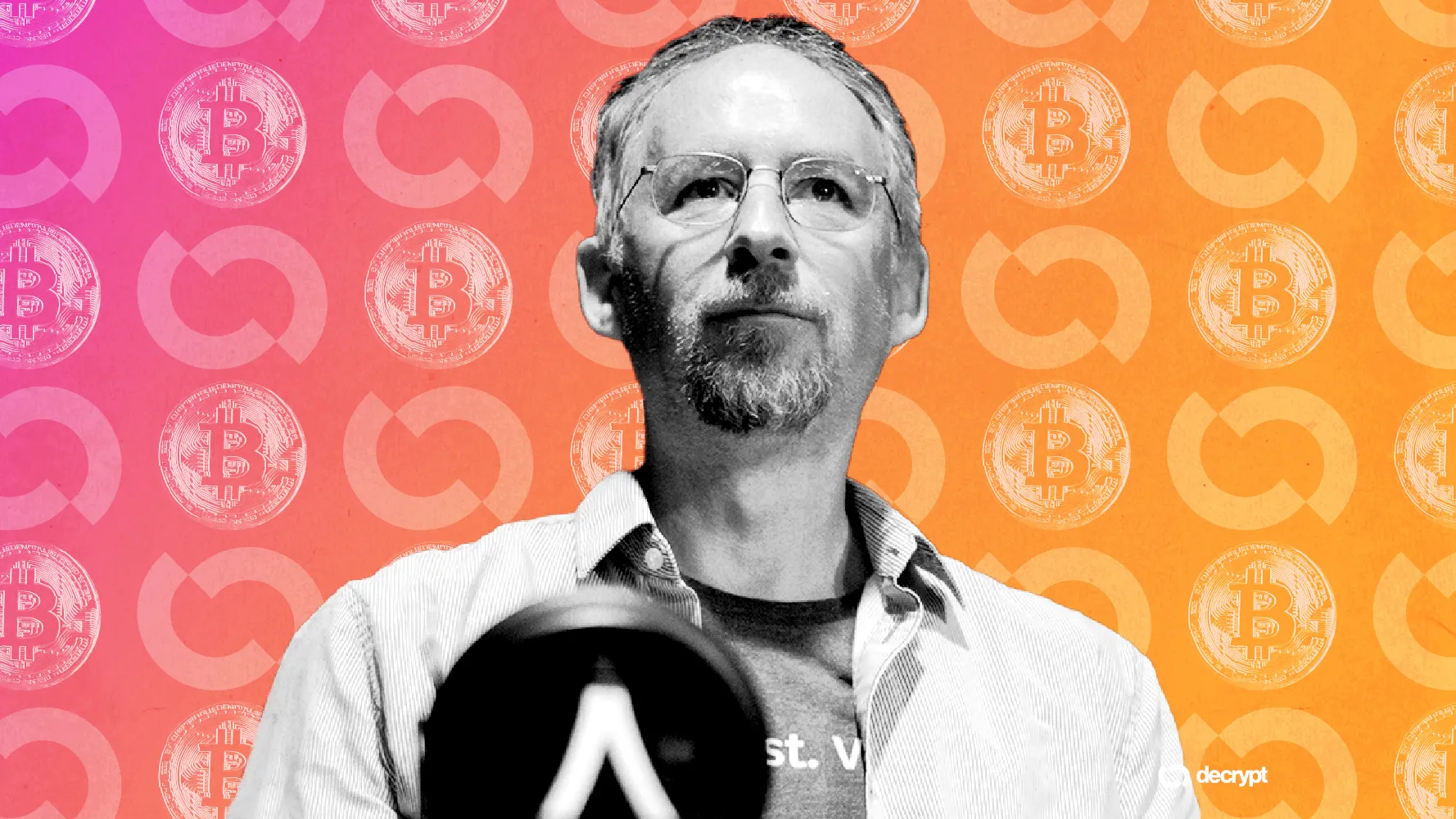
Blockstream CEO Adam Back has put forth a proposal for optional, quantum-resistant upgrades to Bitcoin’s cryptographic infrastructure, diverging from a more assertive approach championed by some developers. Back’s strategy prioritizes preparedness and controlled implementation, contrasting with BIP-361, a proposal suggesting a mandatory, phased freeze of quantum-vulnerable Bitcoin addresses. This discussion comes at a critical juncture, as recent research indicates that the advent of powerful quantum computers capable of breaking current encryption standards may be closer than previously anticipated.
Key Takeaways
- Blockstream CEO Adam Back advocates for optional quantum-resistant upgrades for Bitcoin, differing from the mandatory freeze proposed by BIP-361.
- New research from Google and Caltech suggests quantum computers could compromise Bitcoin’s cryptography with significantly fewer logical qubits than earlier estimates indicated.
- An estimated 6.9 million BTC, including holdings from Bitcoin’s early era, are potentially vulnerable to quantum decryption.
- The debate highlights a growing divergence within the Bitcoin development community on how best to address the future threat of quantum computing.
Speaking at Paris Blockchain Week, Back stressed the importance of proactive measures, stating, “Preparation is key. Making changes in a controlled way is far safer than reacting in a crisis.” He also drew attention to Bitcoin’s historical capacity for swift consensus and problem-solving during critical events, suggesting that the network could effectively address urgent security needs when they arise.
Back’s stance presents an alternative to BIP-361, a proposal developed by Jameson Lopp and other core developers. This proposed Bitcoin Improvement Proposal outlines a five-year plan to transition away from addresses susceptible to quantum attacks, culminating in a soft fork that would effectively freeze any assets remaining on vulnerable address types. This includes the significant holdings associated with Bitcoin’s pseudonymous founder, Satoshi Nakamoto.
The differing viewpoints underscore a significant division among Bitcoin developers regarding the strategy for mitigating the impending threat of “Q-Day”—the theoretical point at which quantum computers will possess the computational power to break Bitcoin’s current cryptographic algorithms. The urgency of this discussion is amplified by recent findings from Google Quantum AI and Caltech, which suggest that the timeline for such a breakthrough may be measured in years rather than decades.
Further intensifying the debate, a recent publication from Google’s quantum computing division indicated that the resources required to break elliptic curve cryptography, a cornerstone of Bitcoin’s security, might be substantially lower than previously believed. Their research suggests that a quantum computer could potentially crack Bitcoin’s encryption in minutes, requiring fewer than 500,000 physical qubits on a superconducting qubit system—a twentyfold reduction in the estimated physical qubit count from prior assessments.
This research also highlighted the scale of the potential problem, estimating that approximately 6.9 million Bitcoin are currently associated with quantum-vulnerable addresses. This figure notably includes a substantial portion of early Bitcoin rewards, estimated at around 1.7 million BTC, mined during the Satoshi Nakamoto era.
The Blockstream CEO’s approach contrasts with BIP-361, a proposal that would implement mandatory freezes of quantum-vulnerable Bitcoin.
— Bitcoin Magazine (@BitcoinMagazine) April 16, 2026
Beyond Back’s proposal and BIP-361, other participants in the broader Bitcoin ecosystem are exploring diverse strategies. BitMEX Research recently put forward an alternative mitigation approach, suggesting the creation of a “canary fund” for quantum-vulnerable coins. Under this model, a full network-wide freeze would only be enacted if an attempt were made to spend assets from this designated fund address, providing a potential early warning system.
Meanwhile, separate research efforts are investigating methods to enable quantum-resistant Bitcoin transactions without necessitating a network-wide fork. Across the wider blockchain landscape, other networks such as Ethereum, Solana, and Naoris Protocol’s Arc Network are actively exploring and implementing their own quantum resistance strategies.
Potential Long-Term Technological Impact on the Industry
The ongoing discourse surrounding quantum resistance within the Bitcoin community is more than just a response to a future threat; it represents a critical inflection point for blockchain technology’s long-term viability and adaptability. Adam Back’s proposal for optional, opt-in upgrades, contrasted with the more decisive BIP-361, points towards a potential bifurcation in how decentralized networks approach fundamental security shifts. If networks like Bitcoin move towards optional upgrades, it could foster innovation by allowing developers to test and deploy new cryptographic primitives without the high stakes of a mandatory, hard-forking change. This could accelerate the integration of advanced cryptographic techniques, potentially enhancing privacy, scalability, and security beyond current capabilities. Conversely, a mandatory, coordinated upgrade, while potentially more disruptive initially, could solidify network uniformity and ensure a more robust, collective defense against quantum adversaries. The success or failure of these proposed solutions will likely set precedents for how other Web3 protocols, including those deeply integrated with AI and Layer 2 scaling solutions, will need to adapt their core security architectures in an era of increasingly powerful computing. This evolution will be crucial for maintaining trust and security in a decentralized future, ensuring that the underlying blockchain technology remains resilient against emerging technological paradigms.
Source: : decrypt.co