
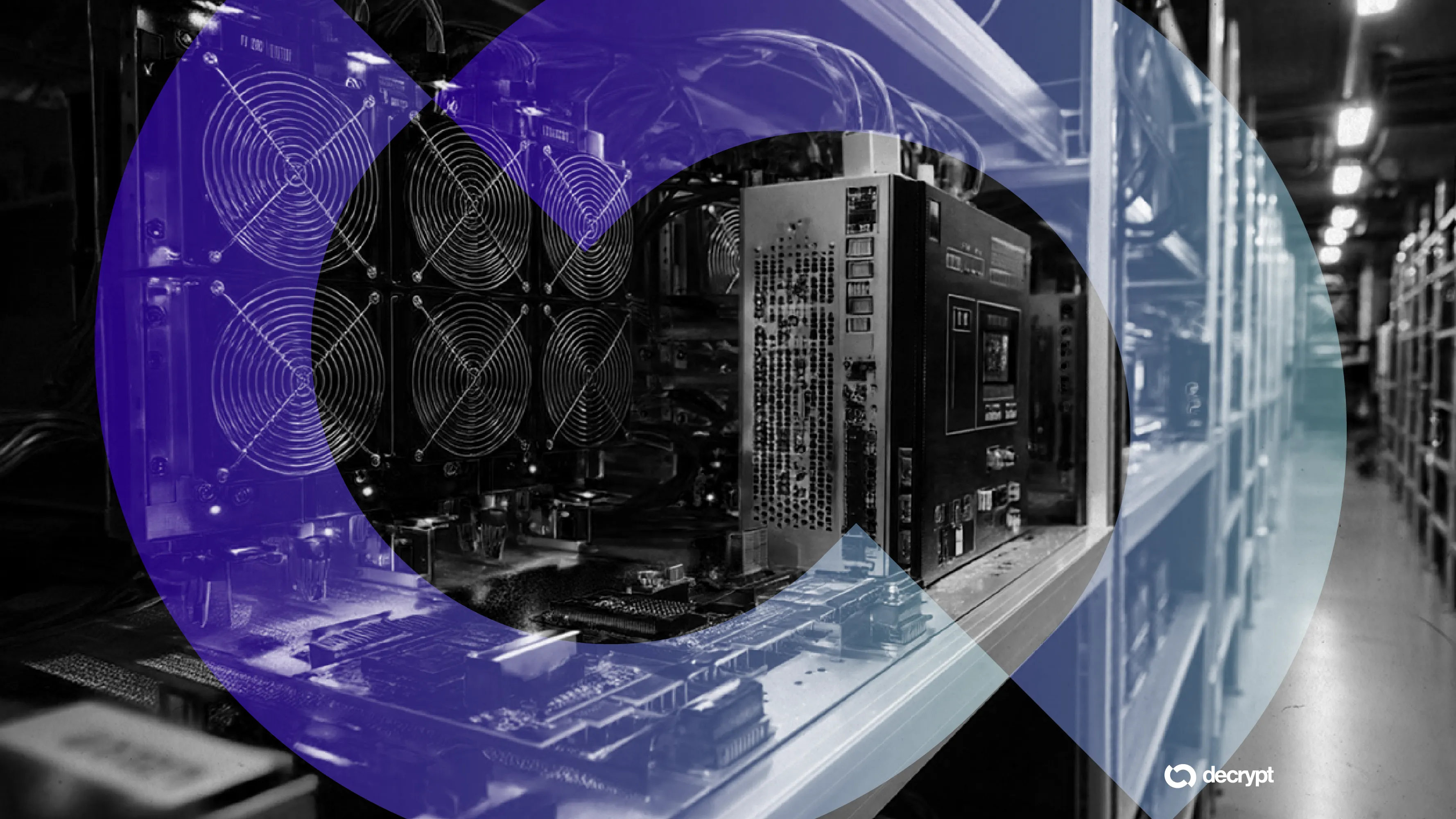
Postquant Labs has unveiled Quip Network, a pioneering blockchain testnet designed to be compatible with both quantum computers and traditional mining hardware. This innovative approach replaces the computationally intensive hashing algorithms characteristic of Bitcoin with complex optimization problems based on the Ising model, a framework well-suited for quantum computation. The network aims to provide a platform where participants can mine cryptocurrency using advanced quantum processors, alongside conventional CPUs and GPUs.
Key Takeaways
- Postquant Labs has launched Quip Network, a blockchain testnet enabling mining via quantum computers and traditional hardware.
- The network utilizes optimization problems based on the Ising model, differing from Bitcoin’s hash-based mining.
- This approach may offer a more energy-efficient mining process compared to current proof-of-work systems.
- Quip Network could also serve as a system for tracking advancements in quantum computing’s ability to break current cryptographic standards.
Richard Carback, CTO and co-founder of Postquant Labs, explained that Quip Network shifts away from Bitcoin’s “hashcash problem” towards solving specific Ising models that match an energy target. He noted that while classical computers find these problems challenging, quantum computers are positioned to solve them more rapidly.
Our testnet is now live, with the first quantum subnet built in consultation with @dwavequantum, leveraging their advanced Advantage2™ annealing quantum computers.
Open source and open to everyone. Participate and earn rewards.
Learn more ↓https://t.co/sBINDRUDdB pic.twitter.com/ovlmHI1wPC
— Quip Network (@quipnetwork) April 2, 2026
Postquant Labs, established in 2024, specializes in quantum computing software and protocols. The company has partnered with D-Wave Quantum Inc. to integrate D-Wave’s Advantage2 annealing quantum computers into Quip Network’s proof-of-work mechanism. Participants who successfully solve the Ising model optimization problems are rewarded with QUIP tokens. These tokens are intended to facilitate access to quantum computing time on the network, drawing parallels to Bittensor’s TAO network, which incentivizes contributions of AI models and computational resources.
Colton Dillion, CEO and co-founder of Postquant Labs, highlighted the potential for reduced energy consumption in mining. He projected that mining a block on a quantum computer could require as little as 13 watts, a significant reduction compared to the substantial energy demands of traditional Bitcoin mining operations. This efficiency could address some of the environmental concerns surrounding current proof-of-work blockchains.
However, the widespread adoption of quantum mining faces hurdles. Quantum hardware remains significantly less accessible and more expensive than conventional mining equipment. While GPUs are readily available for various applications, including cryptocurrency mining, access to quantum computing systems is currently restricted to specialized research institutions and corporations. Trevor Lanting, chief development officer at D-Wave Systems, views quantum processors as accelerators for specific tasks rather than complete replacements for classical hardware, citing existing commercial applications in business operations and logistics.
Beyond accessibility and cost, quantum computing presents long-term security implications for existing blockchain infrastructure. The advent of powerful quantum computers could render current public-key cryptography, including the elliptic curve cryptography used by Bitcoin and Ethereum, vulnerable. This potential threat, often referred to as “Q-Day,” could allow quantum machines to derive private keys from public ones, compromising digital assets.
Postquant Labs intends to leverage future iterations of its network to monitor and benchmark the progress of quantum computing capabilities in potentially breaking elliptic curve cryptography. Carback advised current Bitcoin miners to continue their operations but suggested considering post-quantum secure wallets and staying informed about developments in quantum security.
The Long-Term Technological Impact of Quantum-Resistant Blockchains
The development of networks like Quip Network signifies a critical evolutionary step for blockchain technology, addressing the looming threat of quantum computing. By shifting consensus mechanisms from computationally intensive, classical hashing to quantum-amenable optimization problems, Postquant Labs is exploring a path toward more energy-efficient and potentially more secure blockchain operations in the future. This could catalyze a broader transition within the blockchain space, encouraging the development and adoption of post-quantum cryptography. Such advancements are crucial for ensuring the long-term viability and security of decentralized systems as quantum computing power continues to grow. Furthermore, by creating a tokenized incentive for accessing quantum computing resources, Quip Network could accelerate the decentralization and accessibility of quantum computation itself, fostering innovation across various scientific and technological fields beyond just cryptocurrency.
Original article : decrypt.co