

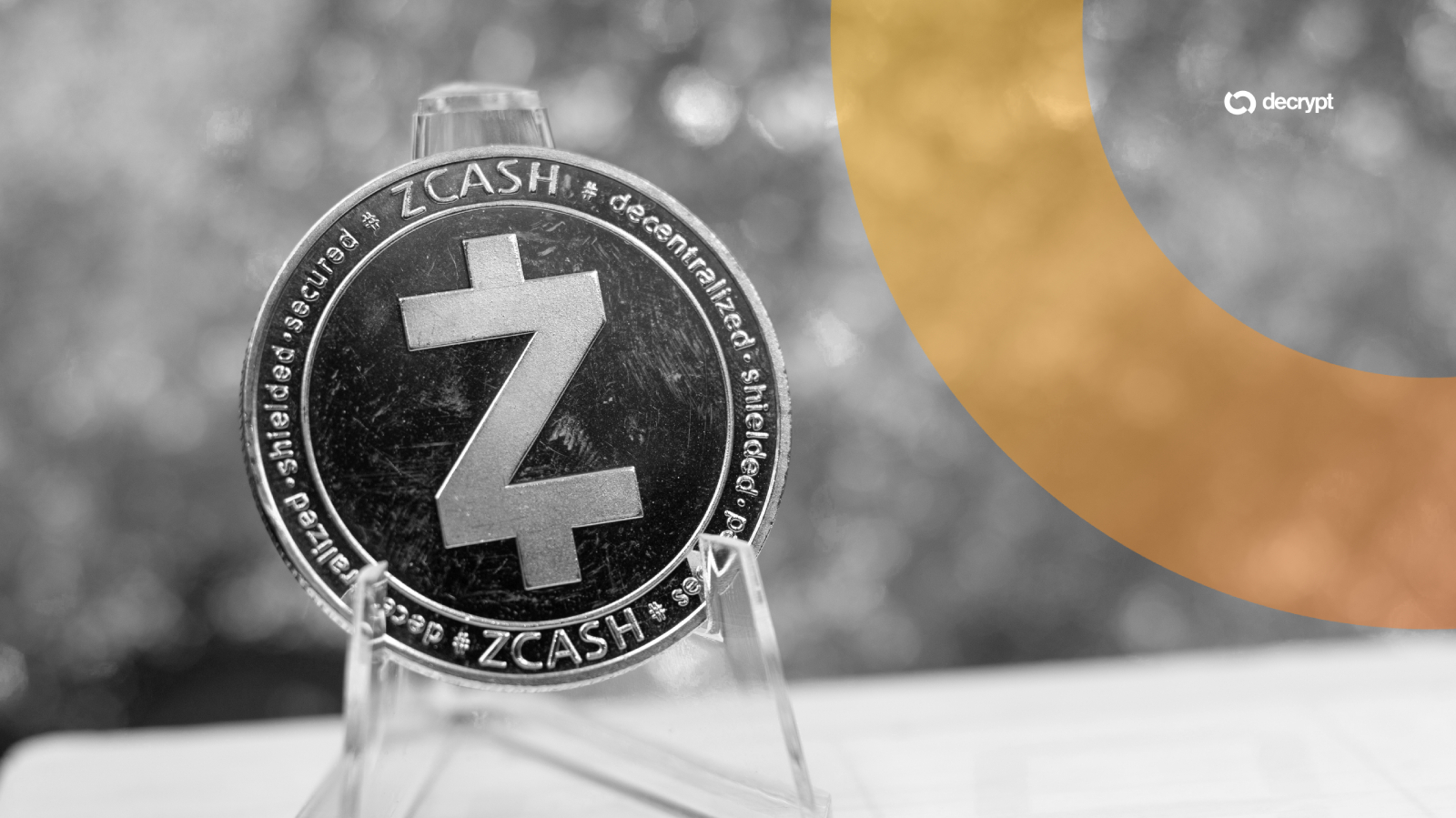
A recently discovered critical vulnerability within Zcash node software, which could have permitted malicious actors to illicitly extract a substantial amount of ZEC from a legacy shielded pool, has been promptly addressed by the network’s development and mining community. The flaw, identified by security researcher Alex “Scalar” Sol, involved a bypass of proof verification for the deprecated Sprout shielded pool, potentially enabling the draining of over 25,000 ZEC, a sum valued at approximately $6.5 million at the time of disclosure.
Key Takeaways
- A critical vulnerability in Zcash nodes could have allowed attackers to drain funds from the deprecated Sprout shielded pool.
- The vulnerability, discovered by Alex “Scalar” Sol, was not exploited, and user funds remain secure.
- Zcash developers released version v6.12.0 with a fix, and major mining pools deployed the patch rapidly.
- The “turnstile” mechanism inherent in Zcash would have prevented uncontrolled supply inflation even if the pool had been compromised.
- The discovery highlights the ongoing importance of robust security auditing and rapid response in blockchain networks.
The vulnerability, which affected zcashd nodes across multiple releases spanning from July 2020 to the present, was disclosed on March 23. Fortunately, the exploit was not leveraged, and the security of user funds was maintained. Zcash developers swiftly responded, releasing version v6.12.0 on Tuesday to implement the necessary fix. Demonstrating remarkable agility, major mining pools including Luxor, F2Pool, ViaBTC, and AntPool deployed the patch by March 26, significantly mitigating the potential risk.
It’s noteworthy that the Zebra full node implementation was unaffected by this particular vulnerability. Furthermore, any attempt at exploitation would have likely triggered a chain fork, acting as an additional safeguard for the network’s integrity. The swift remediation was a collaborative effort, with Sol reporting the flaw to Shielded Labs, who then coordinated with the Zcash Open Development Lab (ZODL). Engineer Jack “str4d” Grigg was instrumental in authoring the patch.
In recognition of his significant contribution to network security, Sol is set to receive a substantial bounty of 200 ZEC, with contributions from Shielded Labs, ZODL, the Zcash Foundation, and Bootstrap. The Sprout pool, which was closed for new deposits in November 2020, still held approximately 25,424 ZEC that had not yet been migrated to newer shielded pool versions. Despite the potential for draining these funds, ZODL confirmed that Zcash’s built-in “turnstile” mechanism would have prevented broader supply inflation. This mechanism ensures that any coins leaving the Sprout pool must have verifiably entered it, thereby acting as a crucial safeguard against the creation of unauthorized tokens beyond the network’s established total supply.
This incident echoes past security challenges faced by the Zcash network. In 2019, a bug described as an “infinite counterfeit” crypto generator was identified and patched before it could cause significant damage to the privacy-focused cryptocurrency. Such occurrences underscore the continuous need for vigilance and technological advancement in securing blockchain ecosystems.
Long-Term Technological Impact of Proactive Security Measures
The Zcash vulnerability incident, while resolved without detrimental impact, offers valuable insights into the future trajectory of blockchain security and development. The rapid patching and deployment by mining pools highlight the increasing sophistication and interconnectedness of the decentralized ecosystem. This swift response is indicative of a maturing industry where collaborative security efforts are becoming standard practice, especially when leveraging advancements like AI-assisted vulnerability discovery, as was the case with Alex “Scalar” Sol’s findings.
Looking ahead, the integration of AI in security auditing is poised to become more prevalent, enabling the identification of complex, previously undetectable flaws. This will push the boundaries of zero-knowledge proofs and other cryptographic techniques employed by privacy-focused blockchains like Zcash. Furthermore, the successful application of layered defenses, such as the “turnstile” mechanism preventing unbounded inflation and the fork-triggering capability of alternative node implementations like Zebra, suggests a future where multi-faceted security architectures will be paramount. These principles are transferable to Layer 2 scaling solutions and broader Web3 development, where robust, verifiable security guarantees are essential for user trust and widespread adoption. The Zcash event serves as a potent reminder that continuous innovation in cryptography and decentralized governance is key to fortifying the foundations of the digital economy against evolving threats.
Source: : decrypt.co